
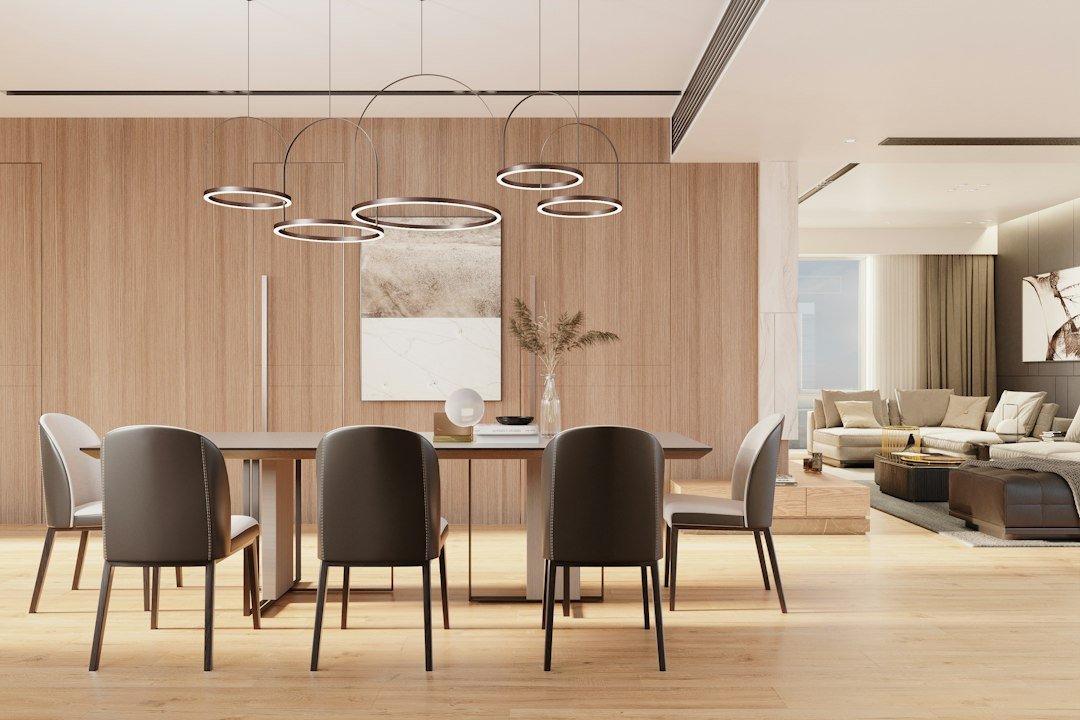
Interior Design & Styling: Create a Cohesive Home
Interior design and styling create a home that feels cohesive, comfortable and personal. Interior design organises how a room functions; styling adds texture, character and the finishing details. The strongest result comes when colour, materials, furniture, lighting and objects are chosen as parts of one considered scheme—not as isolated purchases.
This guide offers a practical sequence for creating a connected interior, from the first palette decisions to the final edit of accessories.
In brief: Define the mood, establish a small material palette, choose furniture to suit the room’s scale, layer lighting for different activities, and finish with a few meaningful objects. Repeat selected tones and textures across rooms to create continuity without making every space identical.
Where should you start with interior design and styling?
Begin with the room as it is. Note the fixed elements you are keeping, including flooring, windows, architectural details and existing furniture. Then describe the atmosphere you want: relaxed, bright, grounded, refined or expressive. These words become a filter for choices and help prevent impulse purchases that do not fit the overall direction.

How do you build a cohesive interior palette?
Use a simple three-layer approach: a foundation for the largest surfaces, a connecting layer for repeated materials and colours, and a character layer for accents. The aim is balance, not a perfectly matched set.
| Palette layer | Typical choices | Design role |
|---|---|---|
| Foundation | Wall colour, floor, large upholstery | Sets the overall tone and visual calm. |
| Connecting layer | Timber, stone, curtains, rugs and secondary fabrics | Repeats a few tones and textures to link the scheme. |
| Character layer | Artwork, cushions, ceramics, lighting and smaller accents | Adds contrast, personality and visual interest. |
Before committing, collect samples and view them together in the actual room. Check them in morning, afternoon and evening light. A finish that looks subtle in a showroom can appear much warmer, cooler or more reflective at home.
Which materials and textures work well together?
Rooms gain depth when smooth and tactile surfaces sit alongside one another. Instead of adding many colours, combine a few materials with different qualities and repeat them selectively.
| Material | Visual or tactile quality | Possible use |
|---|---|---|
| Timber | Warm, grounding grain | Furniture, flooring, shelving or accents |
| Linen and cotton | Soft, relaxed texture | Curtains, cushions and bedding |
| Stone and ceramic | Natural variation and a tactile finish | Surfaces, vessels and accessories |
| Metal | Definition and a sharper highlight | Lighting, handles and small details |
| Wool and woven fibres | Comfort and softness | Rugs, throws and upholstery |
Choose materials with maintenance and use in mind as well as appearance. Consider how a surface will be cleaned, how it will wear and whether it suits the people and activities in the room.
How do you choose furniture for the room?
Furniture should fit the room physically and support the way it is used. Measure the room, doorways and circulation routes before ordering large pieces. Mark the footprint of sofas, dining tables and beds on a plan or on the floor to test proportions.
- Scale: check the width, depth and height of each piece against the room and nearby furniture.
- Clearance: leave comfortable routes around seating, doors, drawers and dining chairs.
- Comfort: choose upholstery and support for the amount and type of use.
- Function: prioritise storage, flexibility and durability where they solve everyday needs.
- Character: mix shapes and periods selectively so the room feels collected rather than overly coordinated.
How should lighting be layered?
A comfortable lighting scheme uses more than one source. Combine ambient light for general visibility, task light for specific activities and accent light to draw attention to artwork, texture or architectural details.
| Lighting layer | Purpose | Examples |
|---|---|---|
| Ambient | Provides general illumination | Ceiling fittings, indirect or cove lighting |
| Task | Supports focused activities | Reading lamps, kitchen worktop lights, desk lights |
| Accent | Adds depth and highlights details | Picture lights, wall washers, decorative lamps |
Plan switches and controls around how the room is used. Dimming can make a scheme more adaptable, while warm, softer sources can make evenings feel different from bright daytime tasks. For electrical work, use a qualified professional and follow local requirements.
How do you style shelves, tables and finishing details?
Think of styling as editing rather than filling. Give a few meaningful objects space, vary their height and silhouette, and group items in a way that feels balanced. A room can have personality without every surface becoming a display.
- Choose artwork that relates to the room’s scale and gives the eye a focal point.
- Combine objects with different heights and shapes, leaving some empty space around them.
- Use greenery or natural forms where they suit the light and maintenance needs.
- Bring together old and new pieces to give the room a sense of history.
- Repeat one or two materials or colours in different areas to create a visual link.
What order should you follow when refreshing a room?
- Set the brief: define the mood, activities, priorities and items to keep.
- Confirm the layout: measure the room and test furniture sizes and movement.
- Choose fixed finishes: coordinate walls, flooring and any permanent joinery.
- Plan lighting: layer ambient, task and accent sources.
- Select furniture and textiles: balance scale, comfort, texture and durability.
- Style and edit: add artwork and objects, then remove anything that feels unnecessary.
What are common interior styling mistakes?
- Buying everything at once before the palette and measurements are settled.
- Using a single overhead light for every activity and mood.
- Choosing furniture by appearance alone without checking scale or comfort.
- Repeating the same finish everywhere until the scheme feels flat.
- Adding accessories to fill space rather than choosing pieces with function or meaning.
Interior design and styling questions, answered
How do I make different rooms feel connected?
Repeat a small number of colours, materials or lighting finishes across the home, while allowing each room its own focal point. Continuity comes from relationships between choices, not from making every room look the same.
Do all the furniture pieces need to match?
No. A considered mix of shapes, materials and periods usually feels more personal. Keep a common thread—such as tone, proportion or material—so the pieces still work together.
How many colours should an interior palette have?
There is no fixed number. Start with a restrained foundation, add a few connecting tones and introduce accents where they have a purpose. Test real samples together in the room before making final decisions.
Can I keep furniture I already own?
Yes. Assess each piece for condition, scale, comfort and personal value. A useful existing item can become an anchor for the palette, and reupholstery or a new arrangement may help it sit naturally in the updated scheme.
Make the room feel considered, not over-styled
A cohesive interior is built through a sequence of thoughtful decisions: understand the room, establish a direction, choose materials and furniture in context, layer the lighting and edit the finishing details. The result should reflect the people who use the space—not a passing trend or a showroom display.
Explore Forma & Fern’s Interior Design & Styling service for a considered approach to your space. When the project also involves changing the layout, our Residential Architecture service can help connect spatial planning with the interior direction.
For the architectural decisions that sit behind a beautiful interior, read our companion guide: Residential Architecture: Plan a Home That Works. To discuss a project, contact Forma & Fern.

One Response